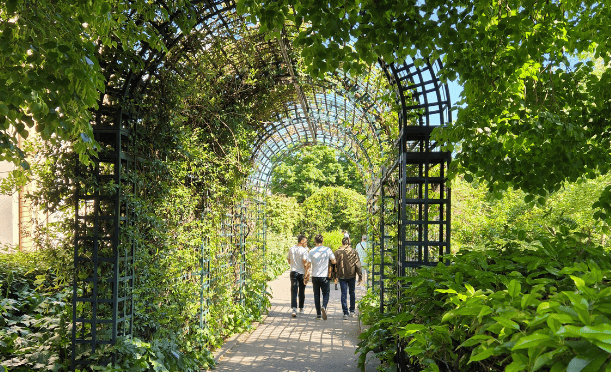
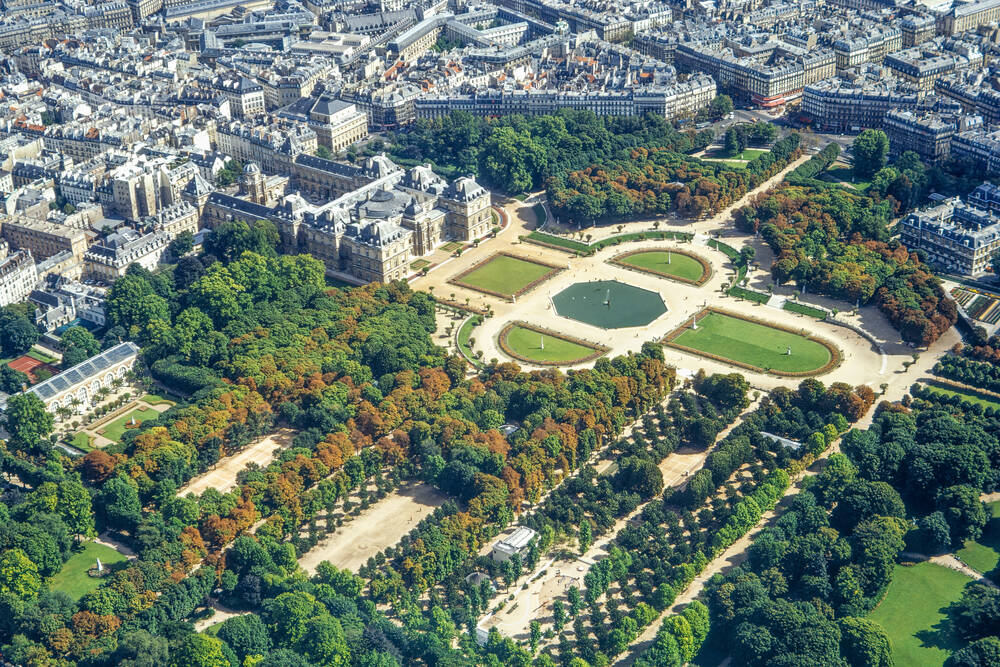
Whether strolling through the Jardin des Plantes or admiring the elephant replicas in the Grande Galerie de l’Évolution, the National Museum of Natural History has captivated visitors in many ways since its founding in 1793.
It all began when King Louis XIII ordered the creation of the Royal Garden of Medicinal Plants in 1636. After five years of construction, the institution opened to the public. There, botany, chemistry, and anatomy were taught—an approach considered sacrilegious by the Church, which believed that the study of natural history should not be the subject of scientific research.
This royal initiative, however, allowed the garden to gain international recognition in the 18th century. Spread over 26 hectares along the Seine, it soon became home to countless plants brought back from distant voyages. The observation of exotic species flourished as the result of expeditions around the world: in 1771, Pierre Sonnerat discovered the dodo while traveling along the East Indies route. The institution then developed a methodical approach to collecting and preserving species.
After the French Revolution, the Natural History Museum officially came into being and prospered throughout the first half of the 19th century. As explorations and scientific research multiplied, its collections grew richer and more diverse.
After the Second World War, the institution took an active role in the fight against the destruction of natural environments, which was causing major ecological damage, and helped found the International Union for Conservation of Nature (IUCN).
In the 21st century, the museum continues to push the frontiers of science. Alongside marine stations in Corsica—where algae and invertebrates are studied—and research missions analyzing meteorites, scientists are now even studying traces of life… on Mars!
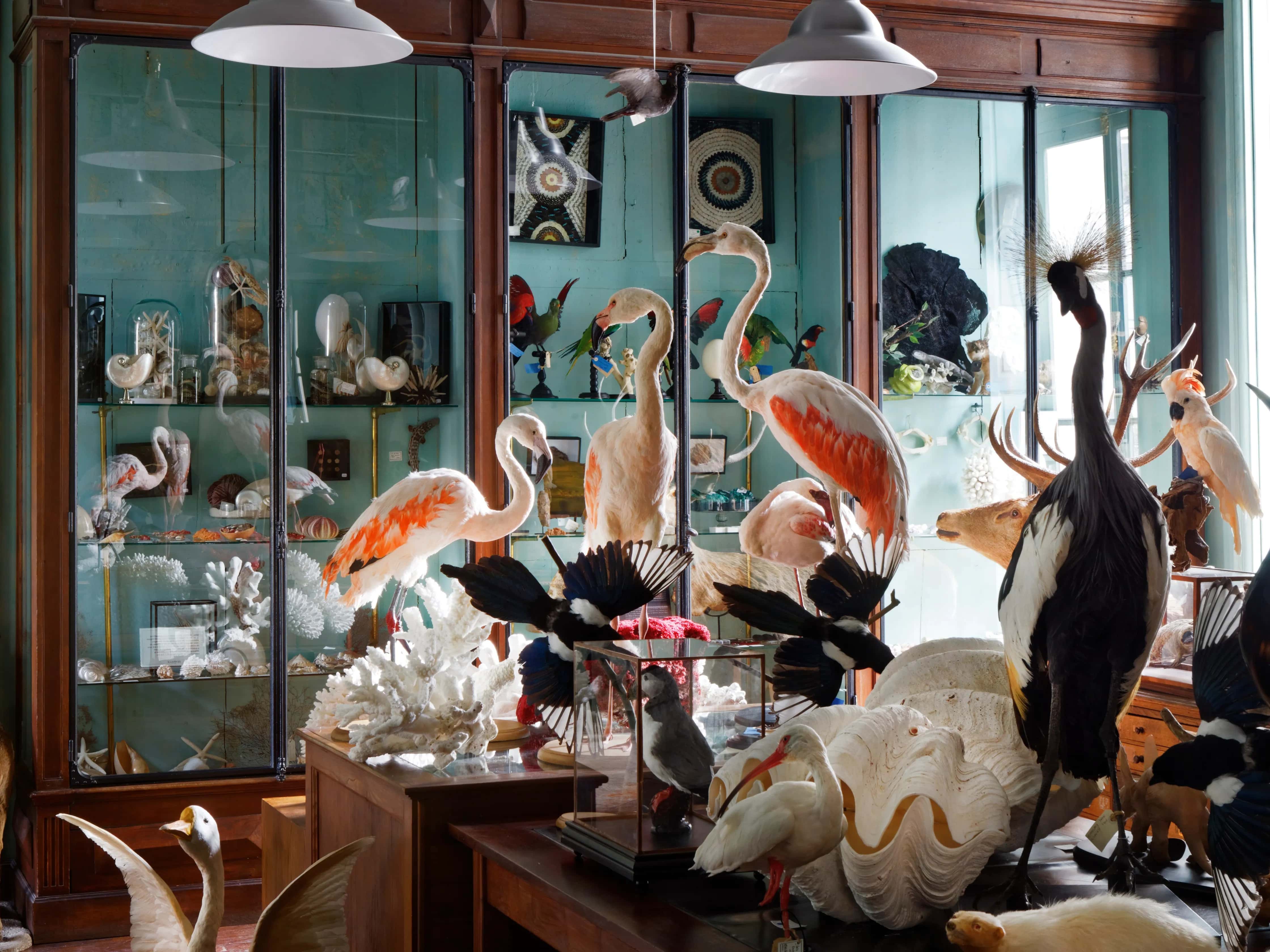
Herbaria, meteorites, microorganisms, mollusks… With over 68 million specimens, the museum today houses one of the three largest natural history collections in the world. These treasures are displayed in permanent galleries or temporary exhibitions, as well as in its greenhouses, zoos, and regional sites such as the marine biology center in Concarneau.